Maintenance & Care
Solar CCTV Camera Maintenance: A Seasonal Checklist
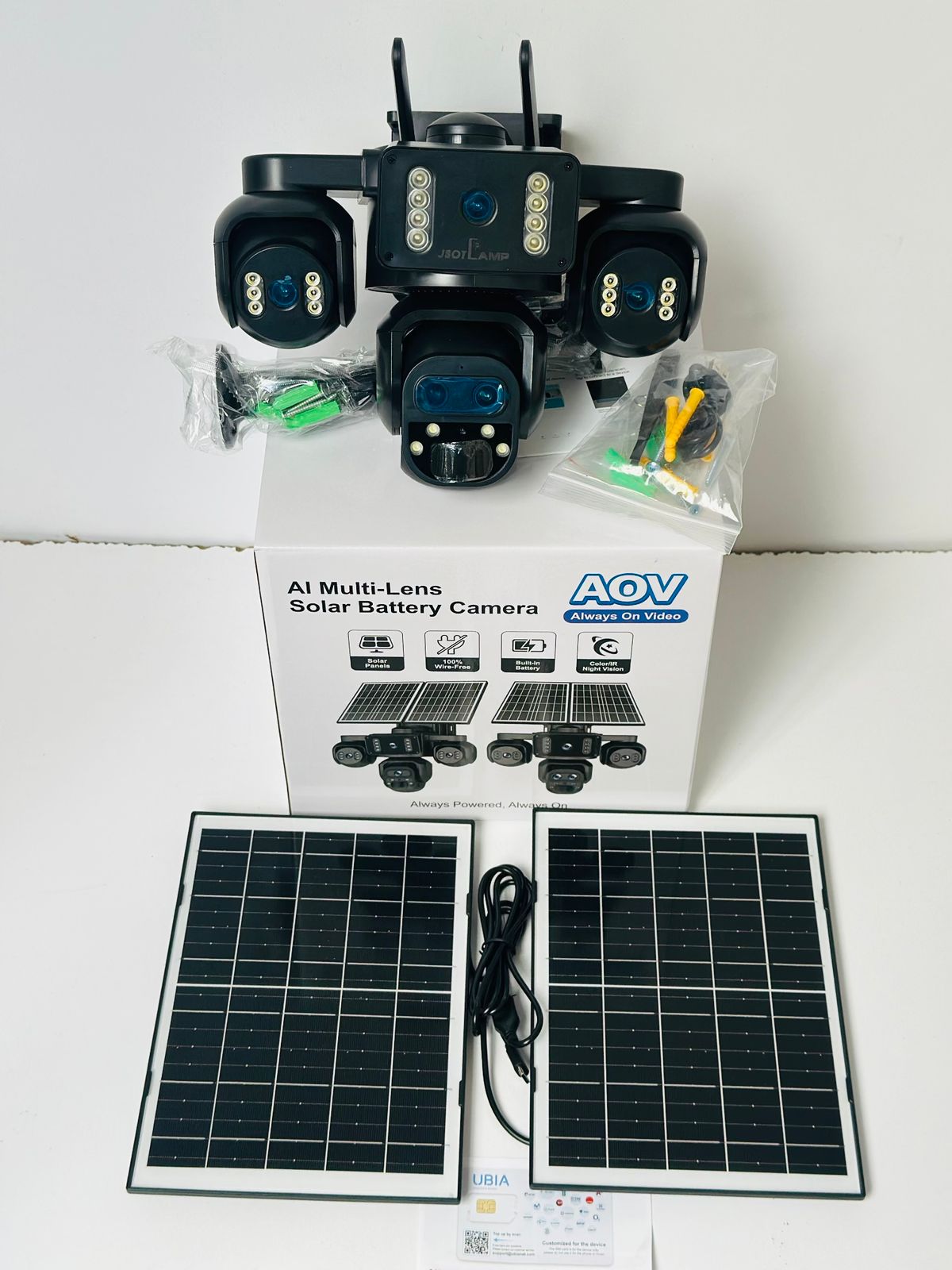
A seasonal checklist for Kenyan conditions — cleaning panels, checking batteries, mounts and storage so your solar camera records all year round.
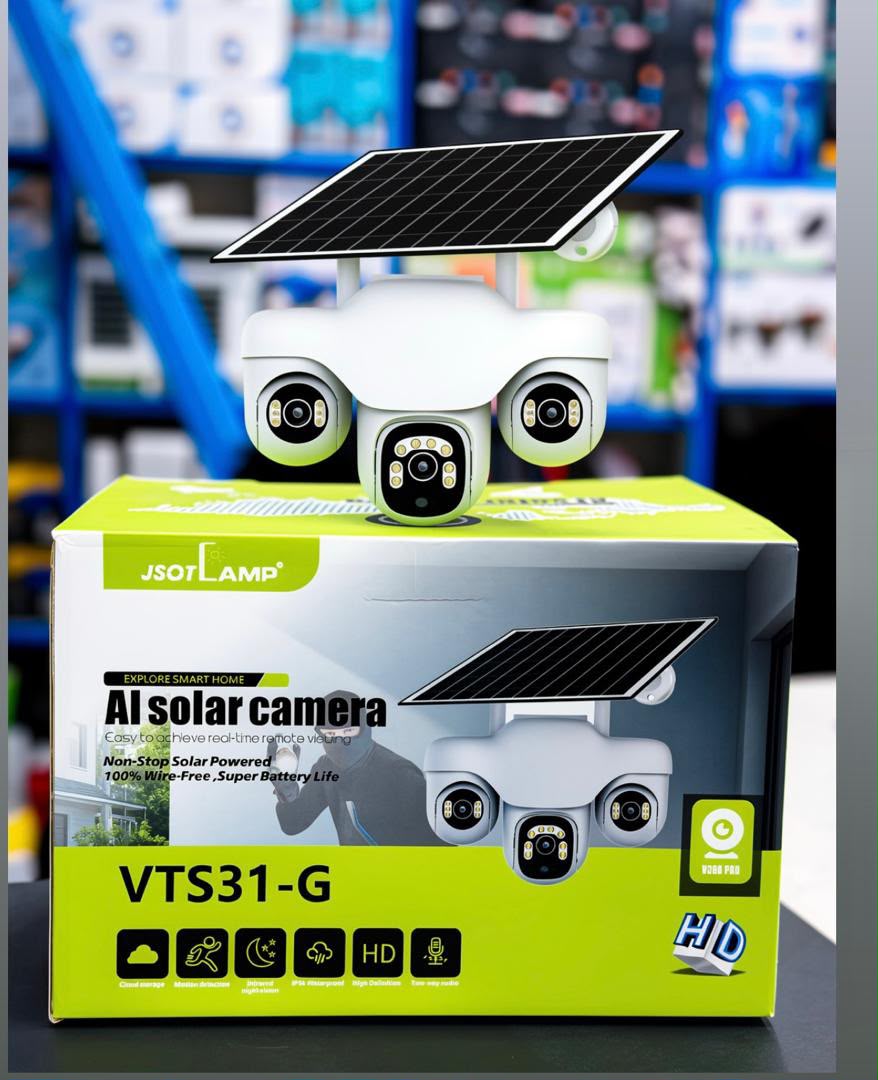
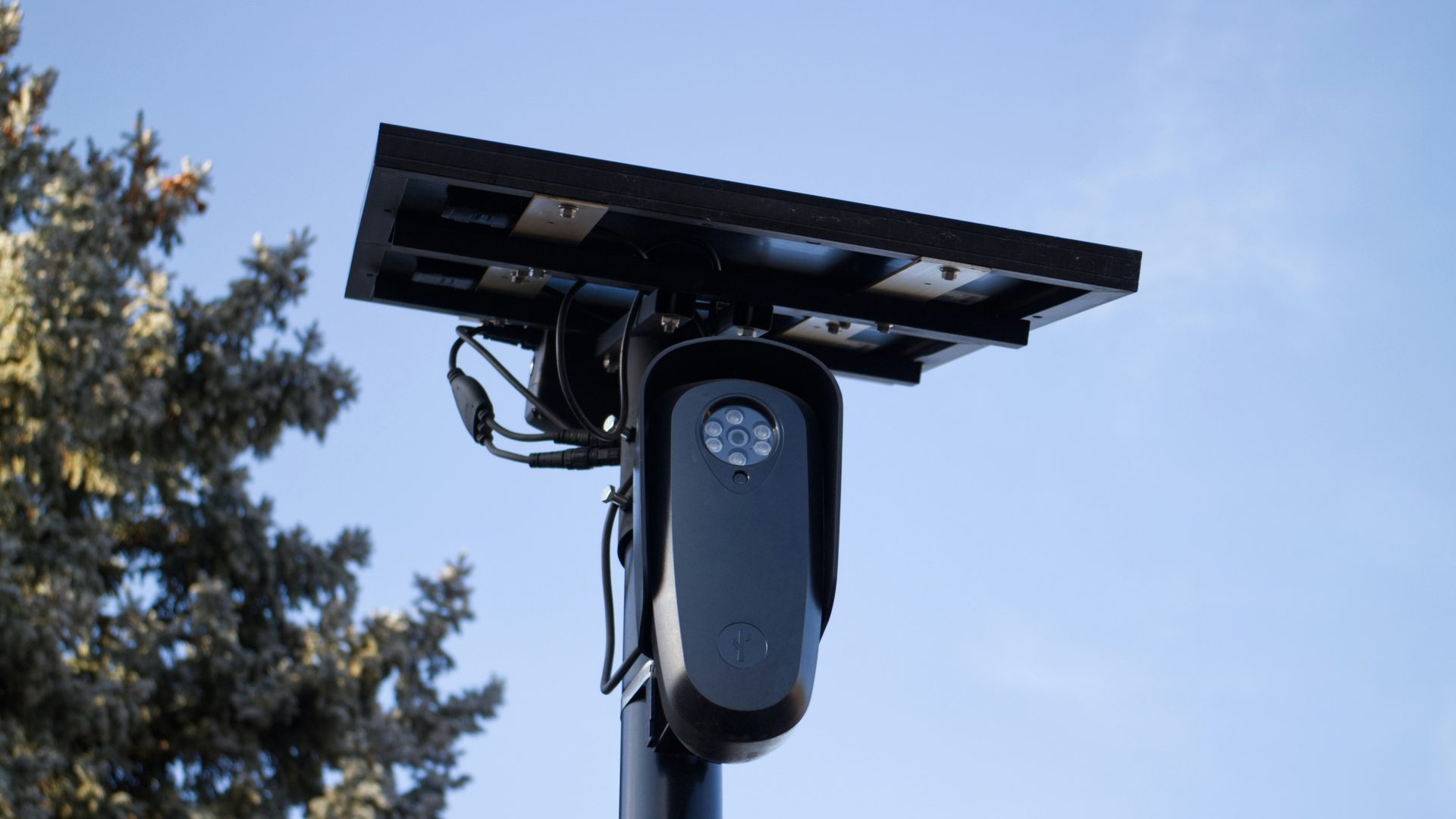
Solar CCTV cameras are close to maintenance-free, but "low maintenance" is not "no maintenance". Dust, long rains and heat are hard on panels and batteries — a five-minute checklist every few weeks keeps the camera recording when it matters.
Clean the solar panel regularly
A dusty panel charges slowly, and a slow charge is what quietly flattens the battery. Wipe the panel with a soft dry cloth every 4–6 weeks — more often if you live near a dusty road, a construction site or a farm. During the long dry season from June to September, dust builds up fast. Rain during the long rains does not fully wash off mud splash, so check again after storms.
Watch the battery, not just the video
Understand what the panel really does: it maintains the battery rather than rescuing a flat one. Most apps show battery percentage — if it drops below about 25% before a cloudy spell, top the camera up over USB once and trim the settings that burn power:
- Lower motion sensitivity or narrow the detection zone away from public roads.
- Shorten clip length to 10–15 seconds and reduce live-view sessions.
- Turn off the white spotlight if you do not need colour night vision all night.
Check mounts, seals and cables after bad weather
After heavy rain or wind, confirm the bracket is tight, the solar cable is not strained, the connectors are dry and the camera still aims where you intended. Replace cracked cable ties and re-seal any cable entry that has worked loose.
Clean the lens and check storage
Dust and spider webs on the lens cost more image quality than anything else. Wipe the lens gently, check that the microSD card is still recording — cards wear out after a few years of loop recording — and install app firmware updates when offered, since they usually improve detection accuracy.
A simple seasonal calendar
- January–February and June–September (dry and dusty): clean panels and lenses; expect dust to build up quickly.
- March–May (long rains): check for reduced charging, wet connectors and mud splash; re-check mounts after storms.
- Any time: if alerts suddenly increase or stop, re-check detection zones and battery level before anything else.
Need a service or a spare unit? Contact Suntech Electronics — we supply, install and maintain solar CCTV systems in Nairobi and across Kenya.