Product Reviews
AI Solar CCTV Cameras: How They Work and Why Kenyan Properties Are Switching
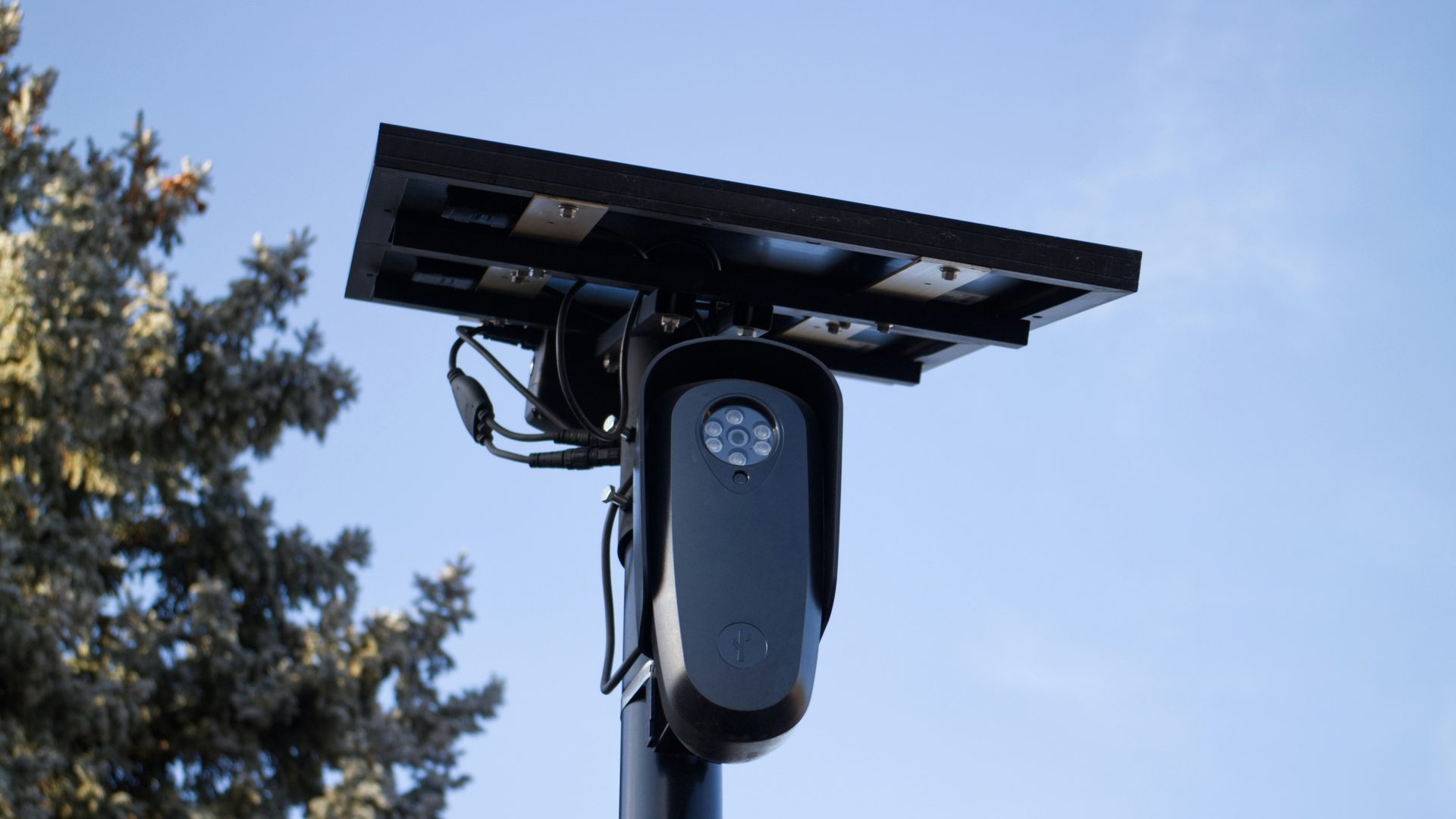
AI humanoid detection, 4G SIM connectivity and built-in solar power — how modern solar CCTV cameras work and what to check before buying one in Kenya.
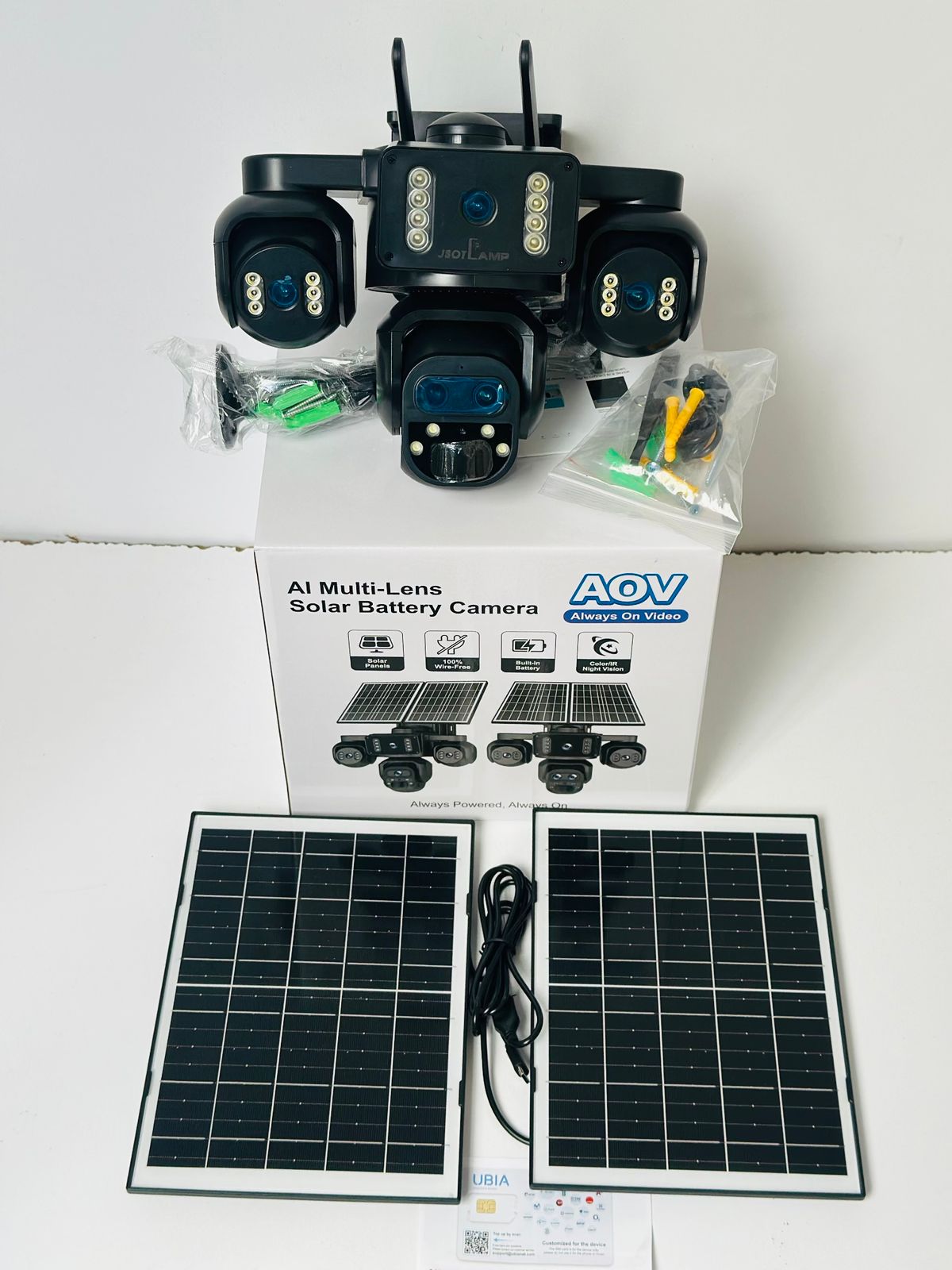
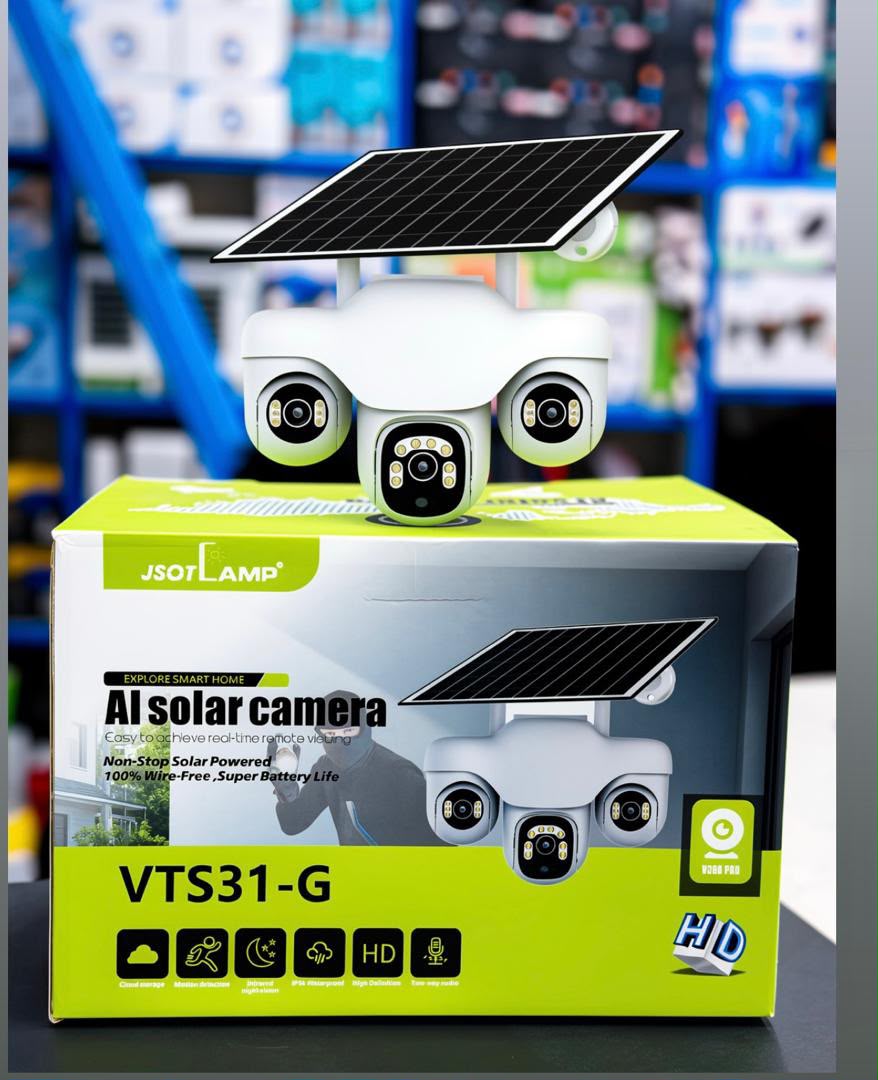
Solar CCTV cameras have quietly become one of the most practical security upgrades for Kenyan homes, shops and farms. They combine three things that used to be bought separately: a camera, a solar panel with a rechargeable battery, and an AI chip that knows the difference between a person and a passing goat.
What makes a solar CCTV camera "AI"?
A regular motion-triggered camera only notices that something changed in the picture. A wind-blown tree, a stray dog or a change in afternoon light will all trigger it — and after a week you stop reading the alerts.
AI cameras classify what moved. Using human and vehicle detection, the camera only pushes a notification when a person or car enters the zone you set. Many models add auto-tracking: a pan-tilt-zoom head physically follows the person as they cross the compound, so the recording captures the whole approach instead of a single frame.
PIR sensors help too — they detect heat rather than pixel changes, which cuts false alarms and saves battery. The best units combine PIR with AI classification.
How they stay powered
The solar panel charges an internal battery during the day and the camera runs from the battery at night. A typical setup — a 6V 9W panel with an 18,000mAh battery — can record for up to two weeks on a full charge, and modern units still top up in cloudy weather, just more slowly. That reserve is what carries the camera through Kenya's long rains from March to May.
Solar power also means no cabling: no electrician, no trenches, and no dependency on mains power — useful in areas with frequent blackouts.
4G or WiFi?
- 4G SIM models connect over the mobile network, so they work anywhere with signal — farms, gates, kiosks, construction sites. Budget roughly 1–2 GB of data a month for motion-triggered clips.
- WiFi models are cheaper and simpler, but only where your router reaches.
Video is viewed and controlled from apps such as V380 Pro, Ubox or Tuya Smart, with live view, two-way audio, playback and night vision on your phone.
What to check before you buy
- Resolution: 3MP–6MP — 4MP suits most homes. Dual or triple lenses give wide coverage with fewer cameras.
- Weather rating: IP65 or better for Nairobi dust and heavy rain.
- Storage: microSD up to 256GB, with optional cloud backup.
- Field of view: 360° pan-tilt removes blind spots around a compound.
- Night vision: colour night vision with spotter lights is far more useful than grainy infrared.
What do they cost in Nairobi?
Most 4G solar PTZ cameras sell between KSh 6,000 and KSh 15,000, while branded professional units such as Hikvision and Dahua sit above that. A wired CCTV installation needs cabling, a recorder and often an electrician, so a solar unit for a single entry point usually pays for itself quickly.
At Suntech Electronics we stock and install AI solar CCTV cameras with genuine warranty. Talk to us or visit our shop on Taveta Road for a live demonstration.